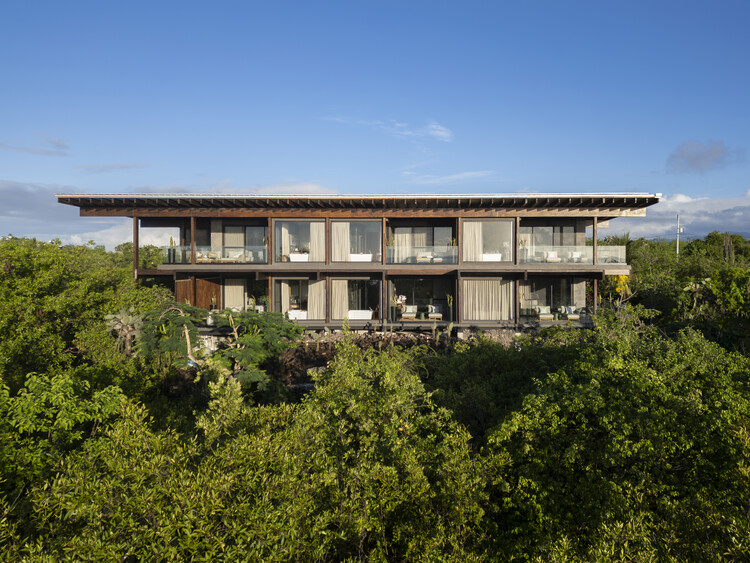
Koto Niwa Cabin / Koto
Koto has launched the Niwa collection, a series of panelized cabins designed for effortless transport and assembly in isolated environments. This new range emphasizes sustainable modular design and precision craftsmanship to provide tranquil, nature-connected living spaces.

A Fusion of Minimalist Philosophies
The Niwa collection represents a strategic evolution in Koto's approach to modular architecture, drawing deep inspiration from both Japanese and Scandinavian design principles[1]. By merging these two philosophies, the cabins achieve a sculptural simplicity that transforms a basic structure into a tranquil sanctuary intended for mental well-being and connection with the environment[1].
These spaces are conceived not merely as shelters but as adaptable retreats that prioritize harmony between the interior living area and the surrounding natural landscape[1]. This design language focuses on clean lines and a minimalist aesthetic, ensuring that the architecture complements rather than disrupts the remote settings in which they are typically placed[1].
Innovation through Flatpack Engineering
The development of the Niwa concept was driven by a growing market demand for Koto's specific aesthetic in geographically challenging or hard-to-reach locations[1]. To address these logistical hurdles, the firm reimagined its modular systems by adopting a panelized form, which significantly optimizes the shipping and transport process[1].
This flatpack approach allows for high-precision craftsmanship to be maintained while ensuring that assembly is efficient and effortless once the materials reach the site[1]. By prioritizing flexibility and ease of installation, Koto enables the deployment of high-quality architectural spaces in areas where traditional construction would be prohibitively difficult or costly[1].
Sustainability and Modular Accessibility
Sustainability is central to the Niwa collection, reflecting a commitment to thoughtful design that minimizes environmental impact during both production and installation[1]. The use of modular, prefabricated components reduces material waste and allows for a more controlled construction process[1].
In terms of accessibility, this new collection introduces a more attainable entry point for high-end modular design, with certain models starting at $52,000 in the US market[1]. This pricing strategy, combined with the efficiency of the flatpack system, expands the reach of sustainable, designer-led architecture to a broader range of clients seeking nature-integrated dwellings[1].